Rivers Lab Theme 3: Human–Machine Performance and Adaptive Systems
Our research in this area investigates behavioural regulation in human–machine systems focused on instrumented cycling environments, smart bicycles and wearable technologies. We look at how
physical and mechanical constraints, real-time feedback and system structure shape performance, adaptation and decision-making over time.
→
→
→
Particular emphasis is placed on identifying stable or predictive patterns of behaviour within complex human–machine systems, including pacing, gear selection, effort regulation and responses to
changing environmental and mechanical demands.
Human–Machine Cycling Regulation System
stable demanding
low high
passive adaptive
Predicted regulation state
--
The interactive dashboard below presents selected telemetry outputs derived from instrumented cycling environments and wearable sensor systems. The visualizations model how cadence, power,
drivetrain behaviour, terrain interaction, and spatial movement patterns can be interpreted as indicators of behavioural regulation within human–machine systems. By combining real-time telemetry
with computational visualization methods, the dashboard demonstrates how cycling activity can be examined as a dynamic system of adaptive decision-making, constraint response, and performance
coordination over time. The dashboard is updated continuously using the daily cycling activities and telemetry streams generated through ongoing Rivers Lab field-based data collection.
The local heatmap shown below visualizes long-term cycling behaviour (2066 activities) across the Hakodate region using GPS and sensor data extracted from Strava FIT files. The system models
cycling as adaptive behaviour emerging through interaction between rider, machine, terrain and environmental constraints. Route density, cadence density, power density, predictive models and
Hakodate micro-region layers reveal how behavioural patterns stabilize, adapt and recur over time across repeated riding conditions. The heatmap project combines computational telemetry analysis,
behavioural modelling and interactive spatial visualization to investigate regulation and adaptation within complex human–machine systems.
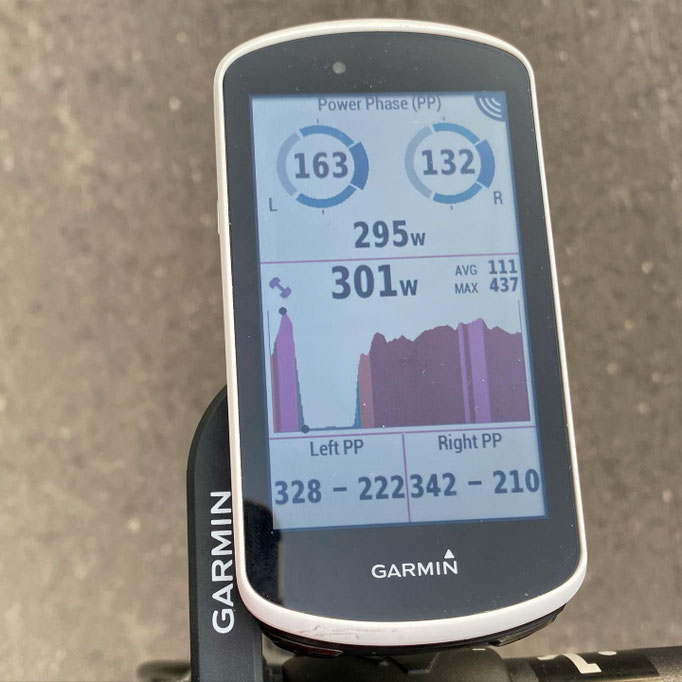
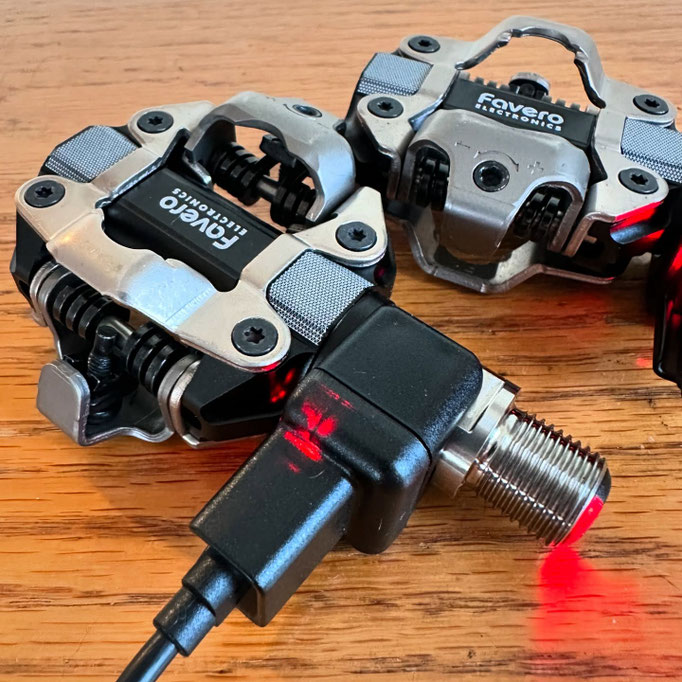
The data model shown below visualizes how rider physical input is transformed into structured ride data within a modern cycling system. Pedalling force and cadence are first captured by on-bike
sensors (e.g., power meter pedals), then transmitted via wireless protocols to a head unit, where they are recorded as time-series data. Gear selection is represented as a changing mechanical
state, linking rider input to drivetrain configuration. The system illustrates cycling as a continuous human–machine interaction, in which behaviour, sensors and digital recording form a single
integrated measurement loop.

The visualization map shown below plots drivetrain behaviour onto real-world geography using synchronised ride data. Each point represents a moment in the ride, geolocated via GPS and enriched
with drivetrain and performance metrics. Colour encodes rear gear selection (as used with a 1x gravel set-up), while marker size reflects power output (captured via dual-sided power meter
pedals), allowing patterns of effort and mechanical choice to be interpreted spatially. Viewed in this way the ride becomes a behavioural trace: gear changes, pacing decisions, and terrain
interactions emerge as structured patterns distributed across the physical landscape, illustrating how riders (like learners in the classroom) must continuously adapt to environmental and
physiological demands and constraints.
The data visualization shown below examines gear-shifting behaviour as a time-based pattern within a single cycling session. Individual shift events are represented across the ride timeline,
allowing bursts of mechanical adjustment (gear shifts) to be identified in relation to cadence, power and changing ride conditions. Rather than treating gear shifting as an isolated action, the
model frames gear selection as part of a continuous regulation process in which the rider adapts drivetrain configuration to terrain, effort and movement demands.
The data visualization shown below examines how cadence is distributed across different gear combinations during a ride. Each observation reflects the interaction between mechanical configuration
and pedalling behaviour, revealing how riders regulate effort through gear selection. Patterns in the distribution highlight preferred cadence ranges, transitions between gears and the extent to
which cadence stability is maintained under changing internal and external conditions. Viewed in this way cadence is a regulated state shaped by continuous adjustments within the rider–drivetrain
system.
The illustration shown below brings together multiple streams of ride data into a single synchronised system. Pedalling behaviour, gear selection, cadence and power are aligned over time,
allowing interactions between physical input and mechanical response to be observed as a continuous process. The visualization highlights how changes in one domain propagate through the whole
system revealing coordinated patterns (or dyanmic systems) of regulation across the ride duration. In this sense performance emerges not from isolated variables, but from the dynamic integration
of rider, machine and environment.
The interactive model shown below examines how wheel rim design and bicycle tyre characteristics interact to shape performance and regulate safety in modern gravel riding situations. Differences
between hookless and hooked rim interfaces are expressed through changes in measured tyre width, pressure tolerance and structural behaviours under load. By incorporating system weight (rider +
bicycle) and pressure distribution, the visualization shows how recommended pressures emerge from the interaction between rider, equipment and terrain. Failure modes such as bead unseating,
burping and rim impact are viewed as outcomes of operating outside known system constraints. The model therefore presents the wheel–tyre interface as a dynamic regulation system rather than a
fixed configuration.
This research theme also examines digitally simulated training environments, with a particular focus on the cycling platform Zwift. These environments integrate physical exercise with a networked
virtual system in which riders interact with simulated terrain, structured training sessions and other participants in real time. The system defines the conditions of action through programmed
constraints, shaping how effort, pacing and decision-making unfold within the simulation. From a systems information science perspective platforms such as Zwift can be understood as
cyber–physical systems in which human physiological input, sensor data and computational models interact to generate a shared digital environment. Behaviour is therefore analysed as a regulatory
process distributed across physical and virtual domains, allowing the study of adaptation, feedback and performance within tightly controlled yet dynamic conditions.
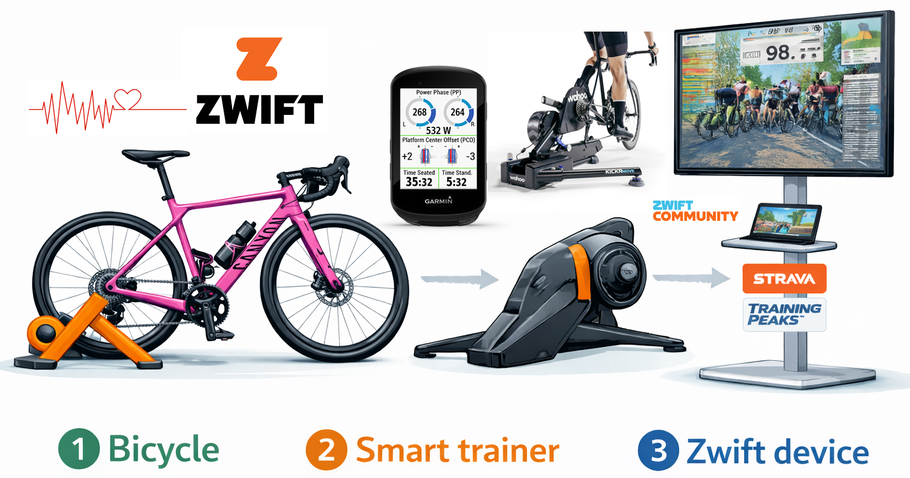
Zwift users produce mechanical power through instrumented bicycle trainers that capture high-resolution metrics such as power output, cadence and heart rate. These data are transmitted to the
platform and translated into movement within a virtual environment governed by physics-based simulation models. The system defines the conditions of action through programmed constraints, shaping
how effort, pacing and interaction unfold within the simulation. Zwift functions as a controlled, data-rich environment for analysing human performance and behavioural adaptation within digitally
mediated systems. By examining training sessions conducted in this environment, this research investigates how simulated task conditions and real-time sensory feedback influence performance
patterns, behavioural regulation and decision-making processes across physical and virtual domains.
The interactive system above models Strava as a hybridized socio-technical environment in which real-world cycling activity, digital self-tracking, quantified performance data and online
discursive interaction recursively shape rider motivation and behavioural regulation. Drawing from discourse theory, motivational affordance theory and online social fitness network research, the
model conceptualizes Strava as a “discursive field of practice” through which cyclists negotiate identity, competition, social belonging, achievement, self-surveillance and mediated forms of
accomplishment. Particular emphasis is placed on the dynamic relationships between self-tracking, data quantification, community interaction and dependency, alongside the role of social
comparison, digital rewards, segment competition and algorithmically mediated feedback in transforming real-world cycling practices. The visualization therefore presents Strava as an integrated
human–machine motivational system in which technological affordances and cycling behaviour continuously co-produce one another through recursive feedback loops. This work is documented in the
following article: Rivers, D.J. (2019). Strava as a discursive field of
practice: Technological affordances and mediated cycling motivations. Discourse, Context and Media, 34, 100345.